

Ceramic Kitchen Pendant Lights, Hanging Lamps & Ceiling Lights
Designed for kitchen islands & low ceilings, multiple sizes and finishes




All About Ceramic Lights
What Makes Good Kitchen Lighting?
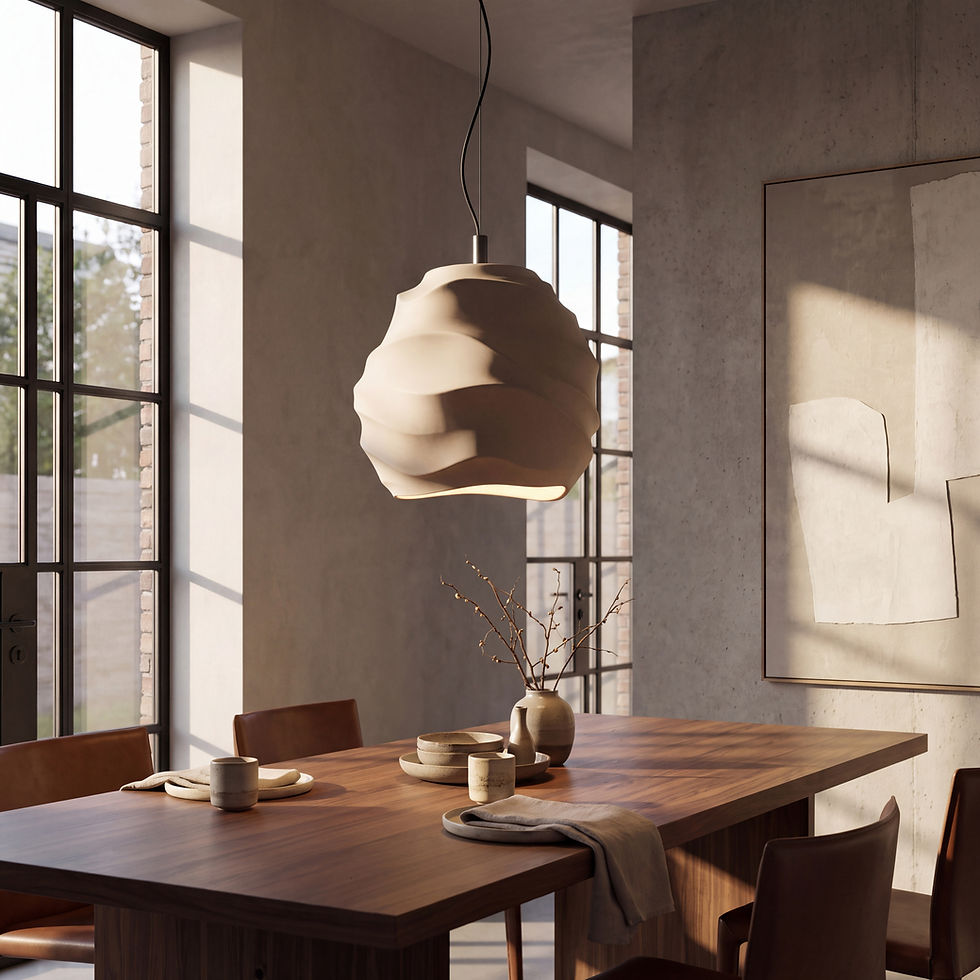
The kitchen is a task-oriented space where you cook, prep and often gather casually, so the lighting needs to work harder than in most other rooms. It should be practical, bright and well distributed rather than purely decorative. Pendant lights over a kitchen island give focused light exactly where you need it for prep and cooking. Flush mount ceiling lights cover the room with general illumination, especially useful in kitchens with lower ceilings where a hanging lamp would get in the way. Wall sconces can add a softer accent layer near open shelving or a breakfast counter. Ceramic works well across all three because it holds up to daily kitchen use while still giving the room a warm, handcrafted look rather than a purely functional one.
Choosing the Right Kitchen Light
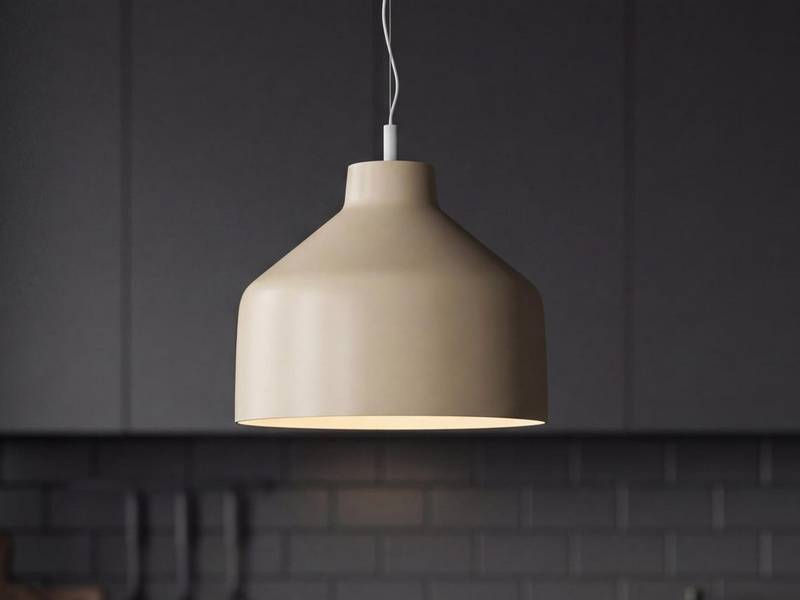
When planning your kitchen lighting, it helps to divide fixtures into three main categories. Kitchen Pendant Lights (Hanging Lights): ideal over kitchen islands or tables. Flush Mount Ceiling Lights: attached directly to the ceiling with no visible cords. Wall Sconces for Accent Lighting: mounted on walls for mood and decorative light. Kitchen Pendant Lights and Ceiling Height For higher ceilings, pendant lights are perfect above a kitchen island or dining table. They can be adjusted to the right height, but should always hang well clear of head height, with extra clearance in open areas. For lower ceilings, use flush mount ceiling lights to provide bright general illumination without taking up vertical space. Balancing Kitchen Lighting with Existing Fixtures If you already have downlights or LED panels but want more focused light over the kitchen island, add pendant lights. If your kitchen feels dark overall, choose flush mount ceiling lights to brighten the entire room. Kitchen Island Length and Power Outlets for Pendant Lights Electrical layout often determines your lighting choice. Each pendant light typically needs its own ceiling outlet, unless you use a canopy plate, which is less ideal for long islands. A good rule is to space pendants evenly along the island length. For ceiling fixtures, plan for even coverage across the space, though these usually require higher wattage than pendants. Kitchen Sink Lighting Lighting over the kitchen sink is an often overlooked detail but makes a big difference for everyday tasks. Most homeowners prefer a small pendant light above the sink for a focused yet decorative touch. If you have a low ceiling, consider a compact flush mount ceiling light to provide clear visibility without crowding the space. Wall Sconces for Accent Lighting in Kitchens Wall sconces add depth and warmth, serving as an accent lighting option in kitchens. Place them along side walls, above counters, or near open shelving to highlight textures, materials, or decorative displays. While not the main source of illumination, ceramic wall sconces create ambiance, reduce harsh shadows, and complement both pendant and ceiling lights well. Kitchen Light Design and Functionality Choose designs with a wide enough opening at the bottom to ensure strong task lighting. Avoid fixtures that block downward light, since kitchens require practical brightness for cooking and prep work. Pro Tip: The best kitchens use a layered lighting plan. Kitchen pendant lights for task lighting, flush mount ceiling lights for general illumination, and wall sconces for accent and mood. This combination ensures your kitchen feels both functional and inviting.
Should Kitchen Lights Be Dimmable?
All our lamps are designed with sockets compatible with dimmable bulbs, giving you full control over light intensity. While many builders suggest that kitchens don’t need dimmable setups, we strongly disagree. The way our eyes perceive brightness depends on both the light level and our adaptation to it, for example, how a room feels dim after stepping in from bright sunlight. The same effect can occur when adding pendant lights or chandeliers to a kitchen or dining area. With dimmable lighting, you can fine-tune brightness to your comfort level, ensure your space never feels too dark, and even shift into soft mood lighting when the occasion calls for it.
