

Chandeliers & Jhumar Lights for Hall, Dining & Living Room
Linear, circular and cluster forms in handcrafted ceramic








All About Ceramic Lights
Jhumar Meaning
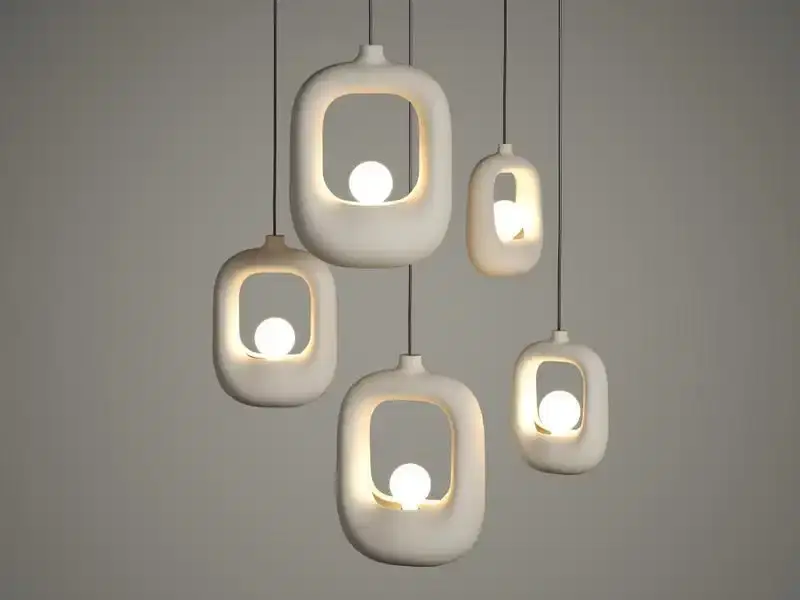
Jhumar is a Hindi word for a hanging chandelier or cluster light, the kind of fixture that draws the eye upward and becomes a feature in its own right rather than just a source of light. The word is used broadly. It can describe a large, formal chandelier over a dining table, a cluster of smaller shapes hanging together above a staircase, or even a simple ring of hanging bulbs in a hallway. What ties these together is not the exact shape but the idea of light gathered into one hanging piece that draws attention rather than staying in the background. In ceramic, a jhumar takes on a different character than the metal and crystal versions most people picture. Clay brings a softer, more textured look, and the light that comes through a perforated or ringed ceramic shade has a warmer, more scattered quality than a hard metal frame. Whether you call it a chandelier, a cluster light, or a jhumar, the role in a room stays the same: a single, noticeable piece overhead that sets the tone for the space beneath it.
Chandeliers vs Pendant Cluster
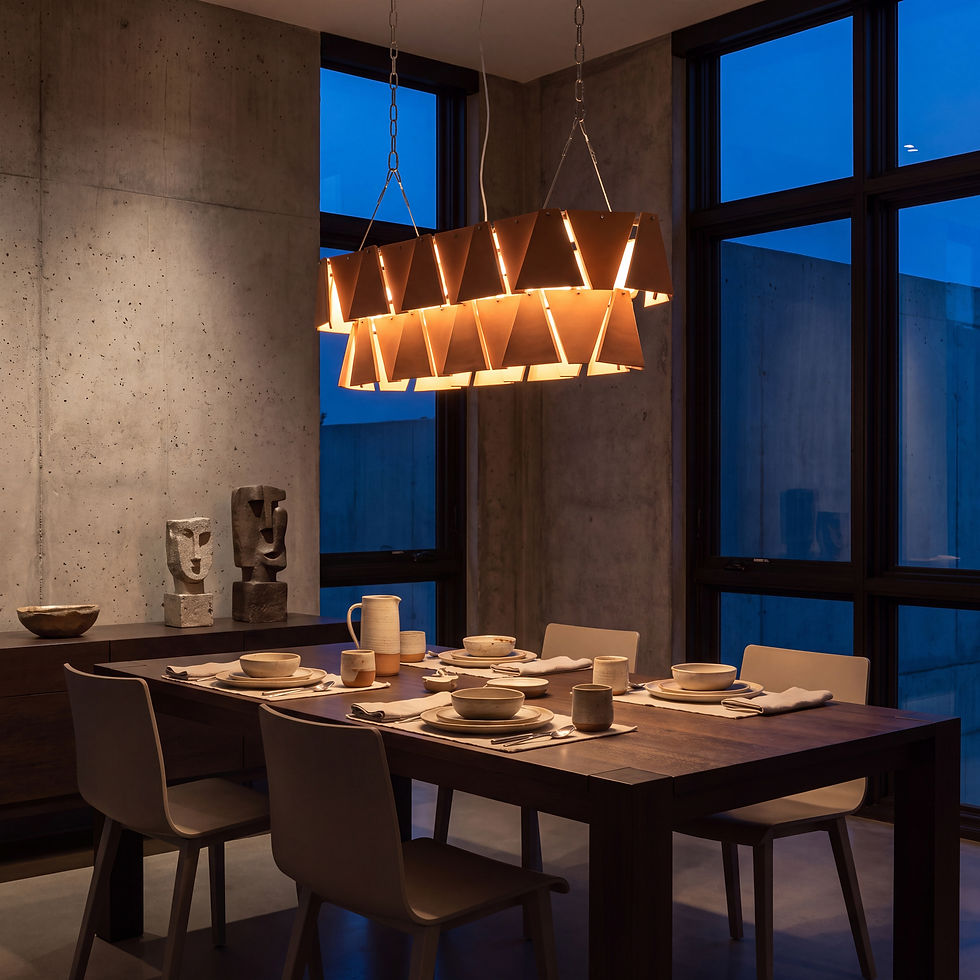
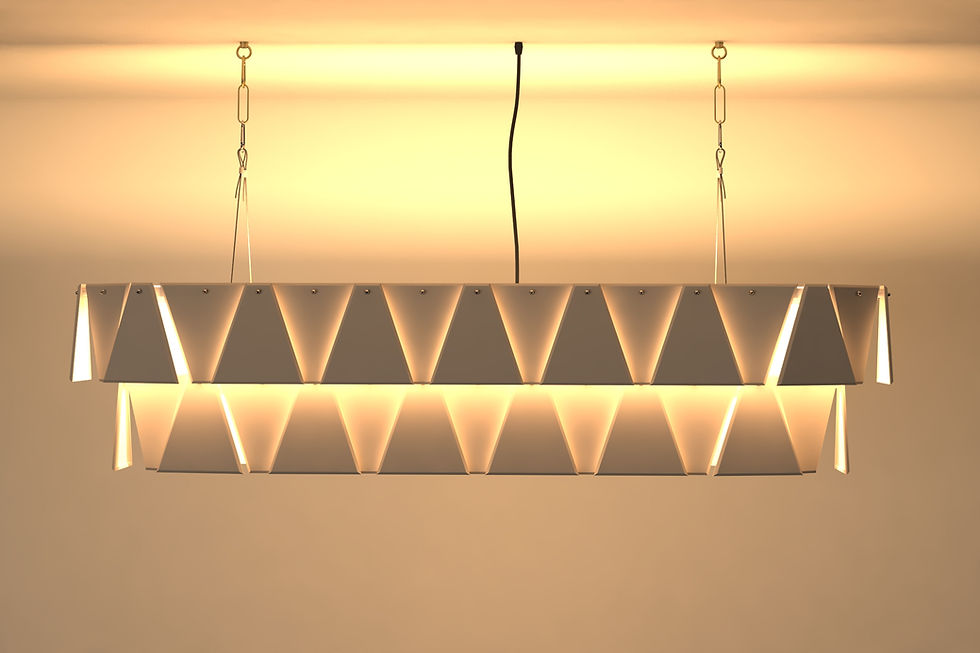
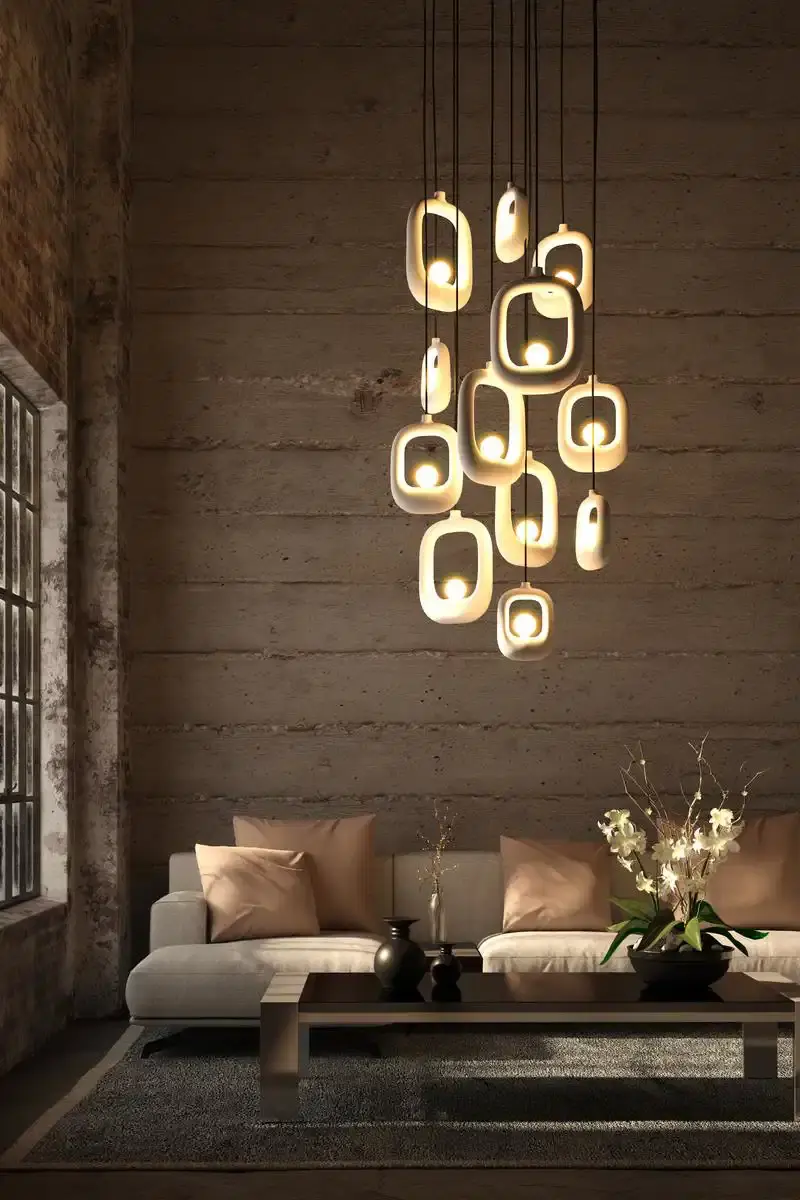
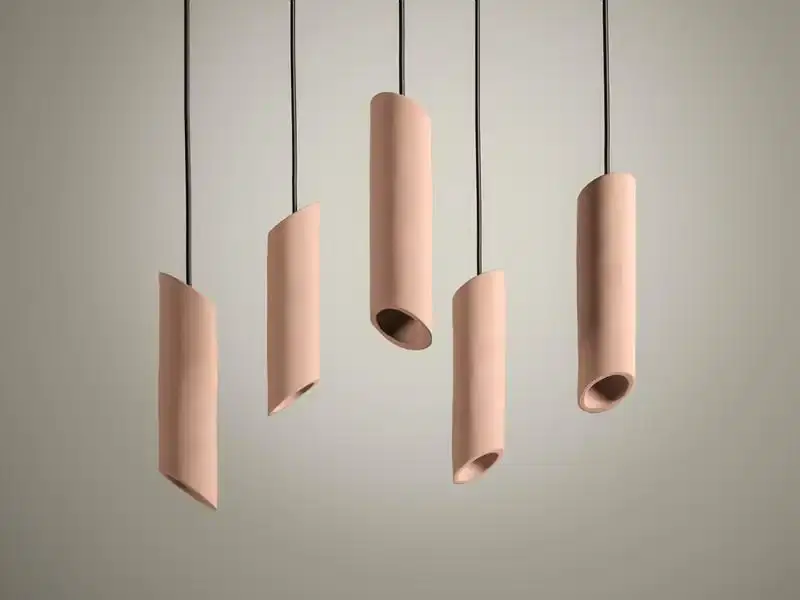
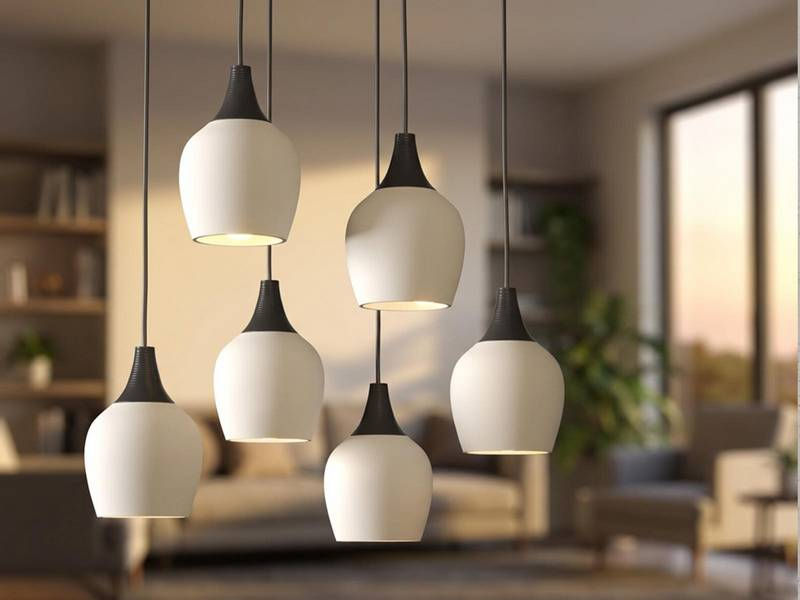
Chandeliers and pendant clusters can look similar at a glance, but they are built differently and suit different spaces. A chandelier is one unified fixture. It comes in two main shapes here, linear and circular. A linear chandelier runs in a straight line, suited to a long dining table or a run of ceiling above a counter. A circular chandelier forms a ring or a cluster of rings, often used as a single striking piece above a round table or in the centre of a stairwell. A pendant cluster is different. Instead of one connected fixture, it groups several individual pendant shapes at varied heights and positions, wired together to read as one composition. This gives more flexibility in how the piece falls and spreads, and works well where you want movement and texture rather than a single symmetrical form. Both are commonly called jhumar in everyday use, whether the fixture is a tight ring of light or a loose cluster of hanging shapes. Which one to choose usually comes down to whether you want a defined, symmetrical shape overhead, or a looser, more organic spread of light.
Choosing a Chandelier for Hall, Dining & Staircase
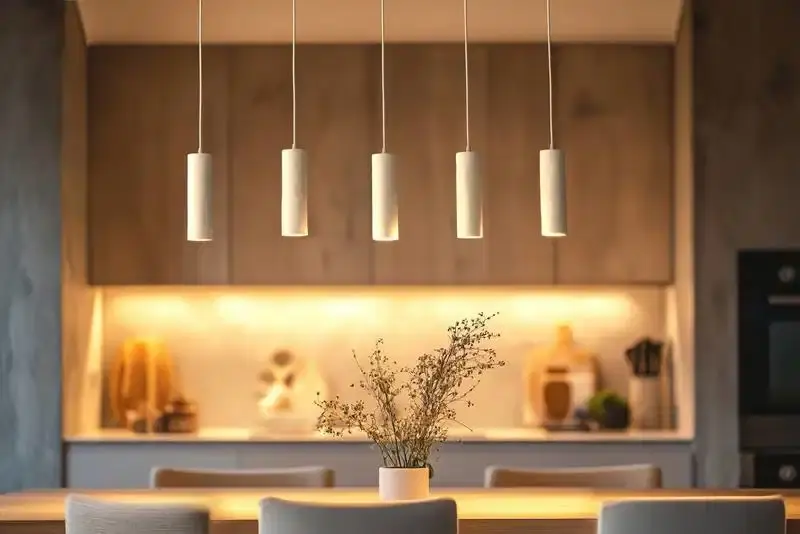
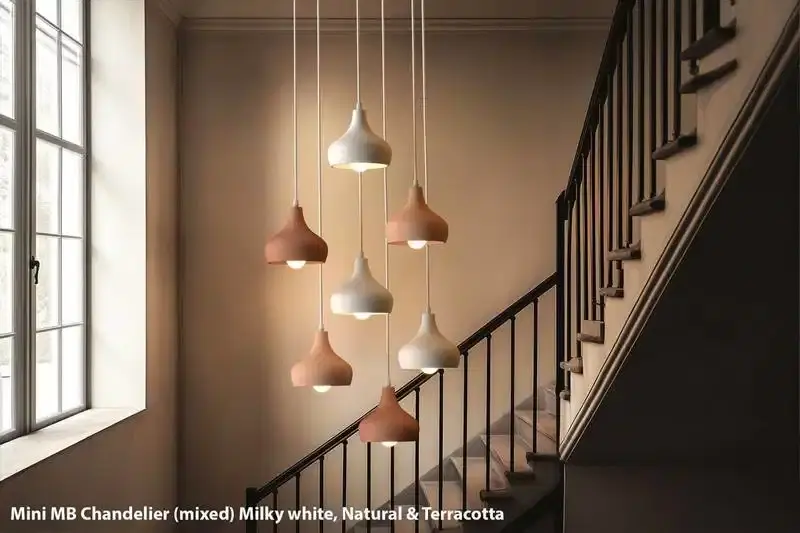
The right chandelier depends on the space above which it hangs and how much presence you want it to have. Hall: In a hall, a chandelier often becomes the first thing people notice on entering, so a circular or ring-form piece works well as a centred, welcoming statement. A smaller cluster suits a more modest hall without overwhelming the space. Dining: Over a dining table, a linear chandelier suits a long or rectangular table, spreading light evenly along its length. A circular chandelier or a compact cluster works better above a round or square table, keeping the light centred over where people sit. Staircase: A staircase or stairwell is where a taller, cascading cluster works best, since the vertical drop uses the height of the space rather than sitting flush against a single ceiling line. This is also where a fixture reads as sculptural, visible from multiple floors rather than a single glance from below. Across all three, the size of the fixture should feel proportional to the space and the ceiling height, rather than picked on shape alone.
