
130+ designs, 6 sizes & 20 finishes | Designer, Modern & Wabi-Sabi
Ceramic Pendant Lights & Hanging Lamps



All About Ceramic Lights
How to Choose the Right Pendant Light
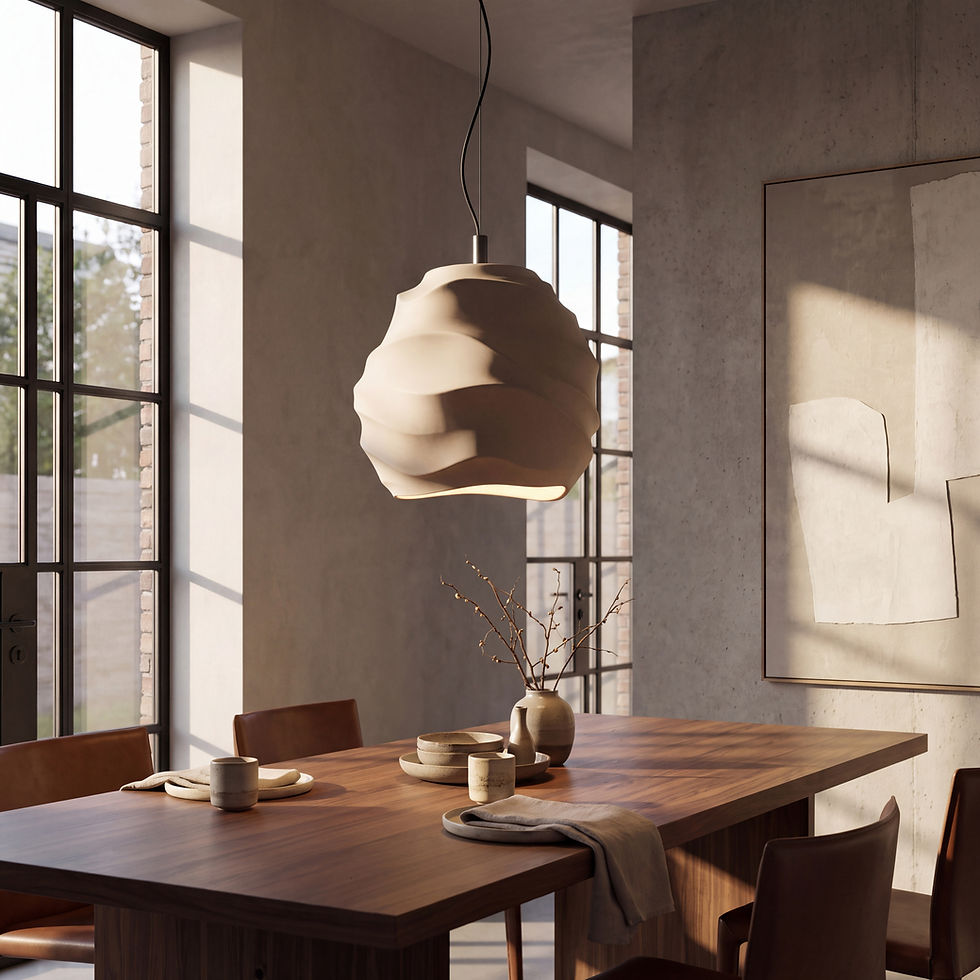
Living Room A pendant in the living room works best as a quiet focal point rather than the main source of light. Hang it slightly off-centre above a console table, reading corner, or seating cluster, and pair it with floor lamps for everyday brightness. A single sculptural clay pendant or a cluster of two or three in different heights adds warmth without competing with other decor. Kitchen Over a counter or breakfast bar, keep the pendant close enough to give real task light, without hanging so low it gets in the way. Smaller pendants suit tighter kitchens, while a linear cluster works well along a longer counter. Choose a wider opening for brighter, more direct light where you actually cook. Hallway Hallways call for a slimmer profile pendant that will not catch on the ceiling fan or block movement underfoot. A single dome or a narrow drop pendant lifts a plain passage without needing wall space, and works well alongside a console or family photographs along the wall.
Pendant Lights Hanging vs Other Types of Lights
Before you pick a fixture, it helps to see where each one actually fits. Pendants, flush mounts, chandeliers and wall sconces each do a different job, and knowing the difference saves you from buying the wrong one. Pendant Lights: Best for focused, task-driven light. They work well above counters, tables or seating areas where you want light aimed at a specific spot. A single bold pendant or a cluster at staggered heights also works as a standalone design piece. Flush Mount Ceiling Lights: Suited to lower ceilings or rooms that need even, general brightness across the space. They give good coverage but do not carry the same presence or warmth as a hanging pendant. Chandeliers: Suited to larger or more formal rooms where the fixture becomes the centrepiece. Light spreads outward and softly rather than pointing down at one surface. Wall Sconces: Used as secondary or accent light rather than a room's main source. They soften shadows, bring out wall texture, and work well alongside a pendant rather than instead of one.
Finding the Right Look for Your Space
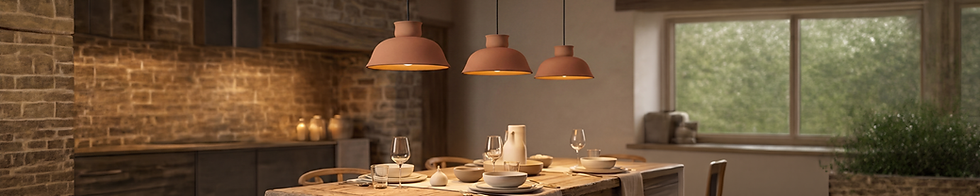
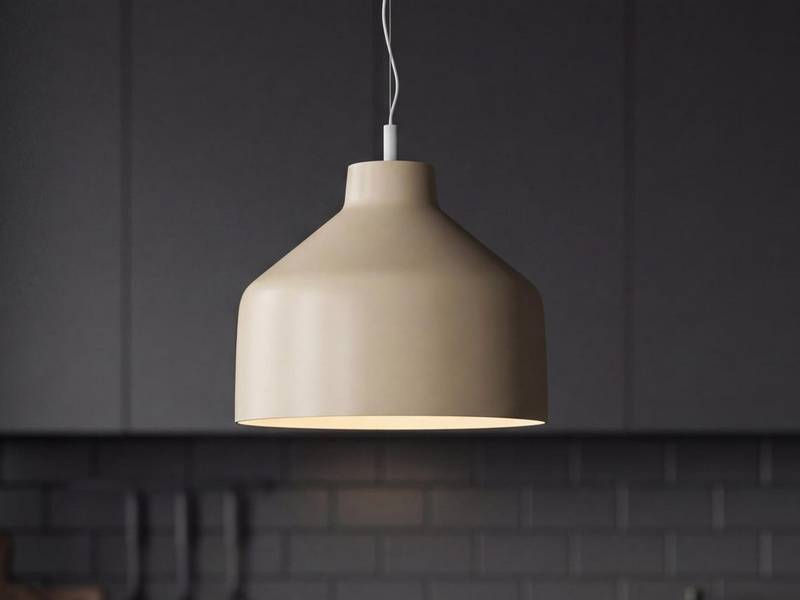
Pendants come in a range of shapes, sizes and finishes, and the right choice depends on the space and mood you want. Small Spaces: In compact kitchens or tight corners, a small pendant creates focus without crowding the room. These work well above sinks, counters or a reading nook. Mixing Shapes and Finishes: A cluster of pendants in different shapes or finishes creates a stronger visual point than a single piece. Staggering the heights of two or three above an island adds depth. Linear Arrangements: For a long table or counter, pendants set in a straight line give even light across the surface. In open-plan spaces, a grouped set can double as a centrepiece. Choosing a Finish: Lighter finishes suit a minimal, airy interior, while deeper, earthier tones sit well in a warmer space. Mixing finishes within one home is fine as long as the room feels considered. Dimmable Pendants: Pairing a pendant with a dimmable bulb means the same fixture gives bright, functional light through the day and a softer glow in the evening.
