Honored as Lighting Brand at TOI Home & Decor Awards 2026
Prices inclusive of taxes + FREE SHIPPING!


Relief Series: Fluted & Ribbed Ceramic Pendant Lights
Surface texture that catches the light and softens into shadow




All About Ceramic Lights
Fluted and Ribbed Ceramic Pendants: How Texture Shapes Light
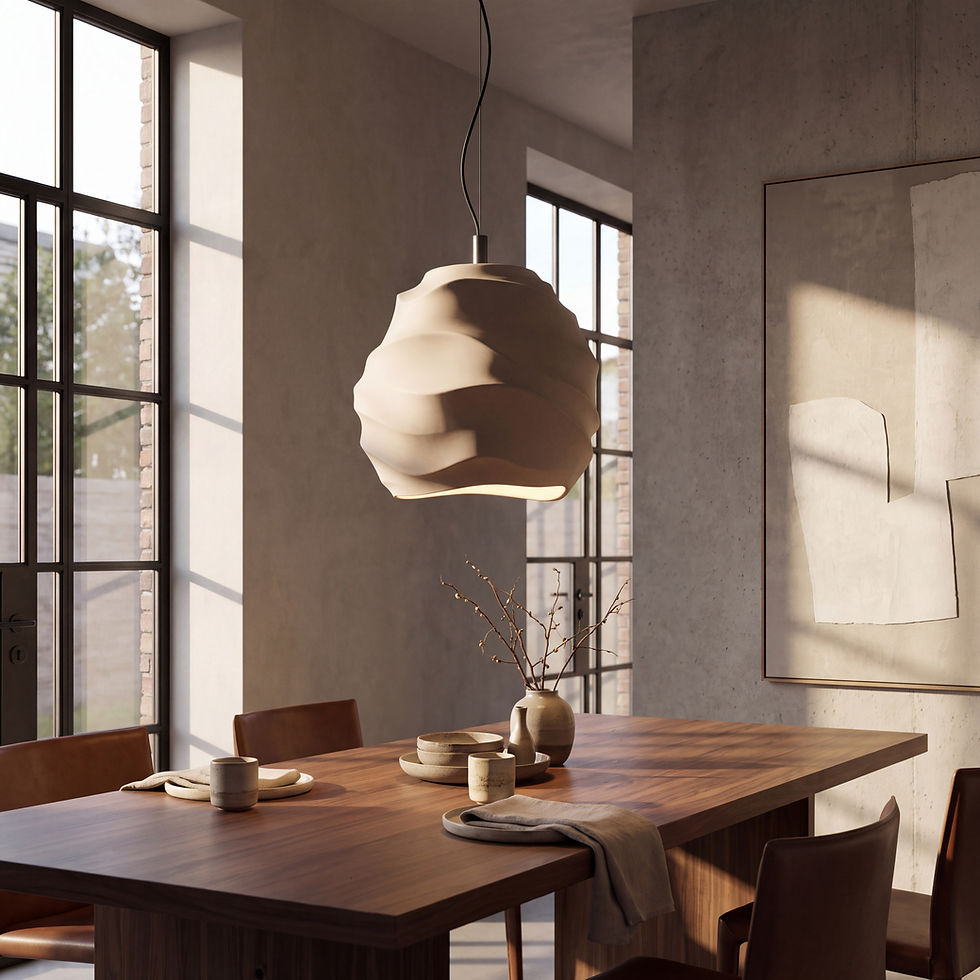
Fluted and ribbed shades have raised lines running across the ceramic. A flute is a long, rounded groove. A rib is a raised ridge. Both break a smooth surface into many narrow bands, and each band takes the light a little differently. Ceramic is opaque, so the glow does not pass through the shade. It spills out of the opening and washes over the surface. Where a ridge rises, it catches the light and looks brighter. Where a groove dips, it falls into shadow. The result is a shade with depth, even when the glaze is a single colour. The effect also changes through the day. In daylight, the lines read as quiet texture. After dark, with a warm bulb inside, the contrast grows and the ridges look sharper. A matte glaze keeps this soft, while a glossy one adds small highlights along each ridge. Choose a fluted or ribbed pendant when you want a simple shape to feel richer without adding more colour.
Crystal-Cut and Layered Forms: Choosing a Relief Surface
The Relief Series is not only about ridges. Some pieces are cut with flat planes that meet at sharp edges, like a crystal. Others are built in layers, so the surface steps in and out as your eye moves around the shade. A crystal-cut shade throws light in many directions at once. Each flat plane faces a slightly different way, so the glow breaks into patches of bright and dark. It suits anyone who likes a lively, jewel-like surface. A layered shade is calmer. The steps create soft bands of shadow, and the shape reads clearly from across a room. It suits anyone who wants texture without too much movement. A ridged shade sits between the two. The lines are regular, so the pattern feels orderly and quiet. If you are unsure, look at the wall or ceiling behind the lamp. A plain surface lets a busy crystal-cut shade stand out. A patterned or textured surface works better with a calmer layered or ridged shade.
Where to Use a Textured Ceramic Lamp
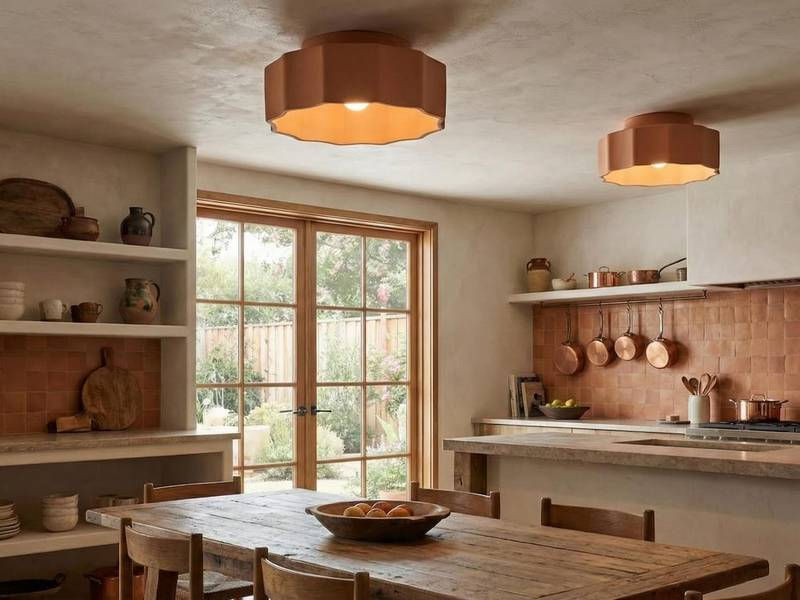
A textured ceramic lamp works best where people can see it up close. The ridges and cuts are the main feature, so give them a spot where the light can reach and the eye can rest. A pendant suits a place with open space around it, such as a kitchen island or an entryway. The texture shows best when the lamp hangs clear of heads and hands, with nothing crowding the shade. The flush ceiling lamp suits a low ceiling, such as a corridor or a small landing, where a hanging lamp would get in the way. The light spreads across the ceiling and the pattern stays visible on the shade. The wall lamp suits a side wall, where the light grazes the surface and draws long, soft shadows. A pair on either side of a mirror or a bed is a simple way to use it. For all of them, choose a warm bulb. Warm light softens the shadows and makes the texture look gentle instead of harsh.
